Women in Transformation: Leading Change in Complex Organisations

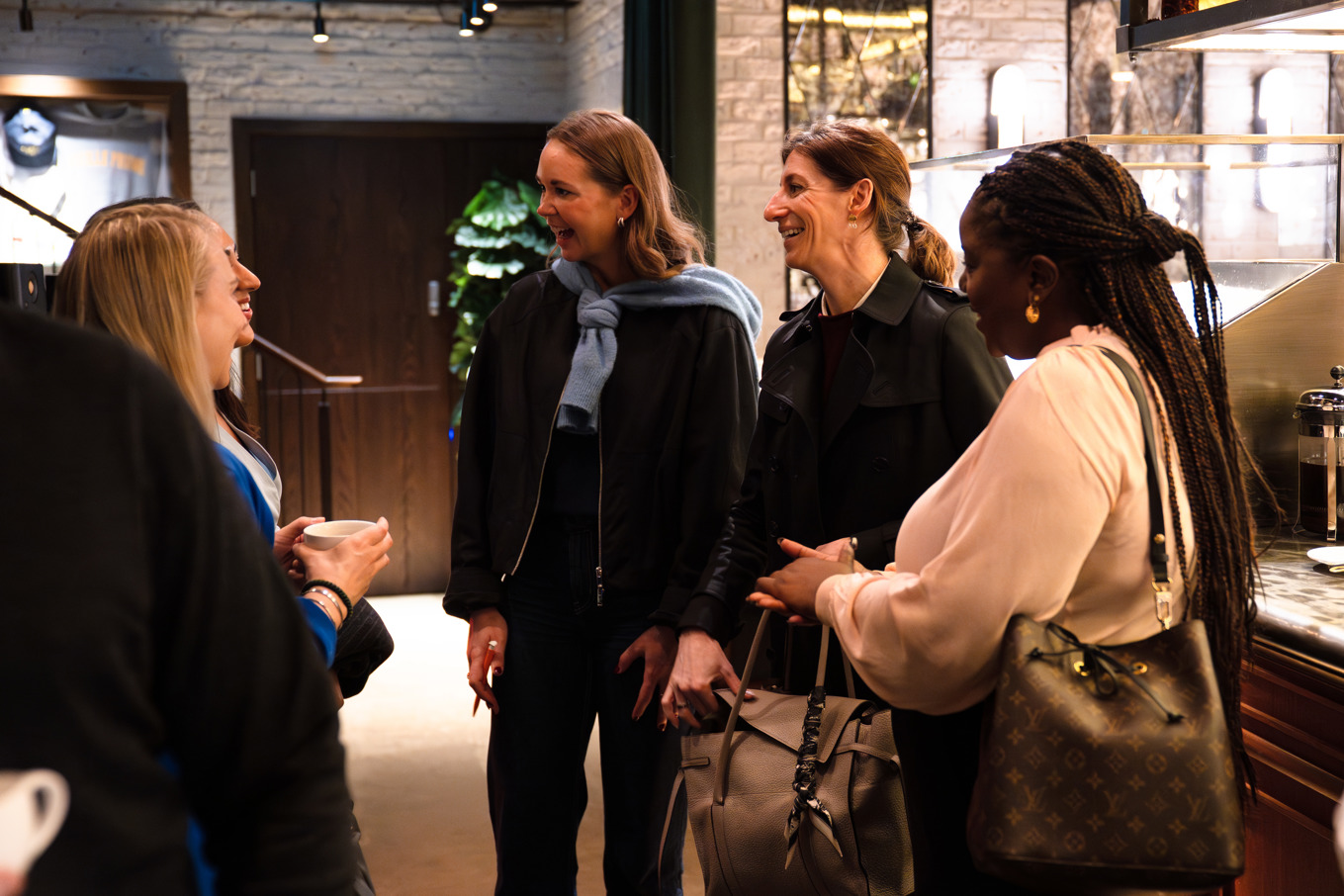
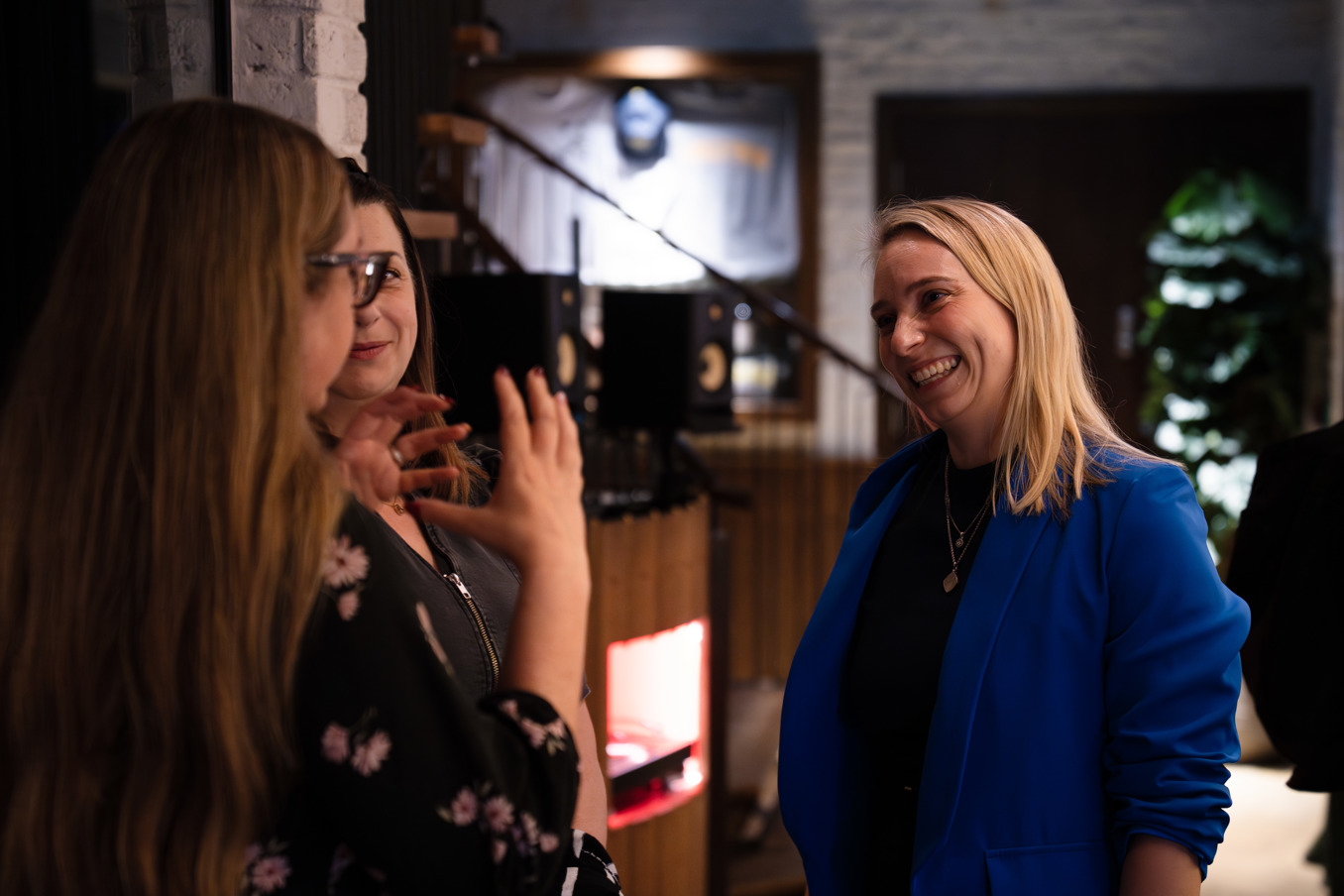
Last week, our Women in Transformation Community gathered for breakfast at Maison François in St. James. We brought together transformation leaders from the likes of NHS England, Bauer Media, Bibby Financial, ITV, the Institute of Directors and more to explore the realities of leading change in today's complex organisations.
Here's what we discussed.
Change fatigue and organisational transformation
The conversation opened with change fatigue, with a discussion around what it is and why it's so prevalent.
The group reflected that people aren't tired of change itself, they're exhausted by the uncertainty that comes before it. When organisations spend months announcing transformation without delivering visible progress, teams become fatigued by anticipation rather than the work itself.
What came through clearly: teams want real change, delivered well. The frustration isn't with transformation; it's with endless planning phases that never translate into action. Eventually, people stop believing that "change is coming" means anything will happen.
Managing generational differences in the workplace
The conversation turned to managing four generations in the workplace, something every leader around the table was navigating.
Today's organisations have Baby Boomers, Gen X, Millennials and Gen Z working side by side. Each generation approaches work, technology and change differently. Younger employees often adopt new tools without waiting for permission, whilst more experienced colleagues bring institutional knowledge and critical thinking about what needs preserving.
Both perspectives matter. The challenge is creating space for them to inform each other.
Several leaders shared experiences with reverse mentoring, where younger colleagues mentor senior leaders on technology and new ways of working. When done authentically, it can accelerate transformation and build psychological safety. Participants who had tried this approach noted that when leadership is genuinely open to learning, it can accelerate transformation whilst building psychological safety across the organisation.
The key to success, they suggested, is authenticity: reverse mentoring only works when senior leaders are willing to admit what they don't know and genuinely learn from less experienced colleagues.
Organisational culture and leadership behaviour
The latter half of the breakfast focused on the gap between stated values and actual culture.
The consensus among participants: culture isn't what leadership says it is, it's what leadership permits.
Employees watch what leaders do far more closely than they listen to what leaders say. When leadership tolerates certain behaviours, those behaviours become the cultural baseline regardless of what's written in value statements.
Several Community members shared examples where stated organisational values bore little resemblance to daily reality. As one leader put it, the worst behaviour that a company accepts becomes the standard that employees adopt.
This places particular responsibility on transformation leaders to model the behaviours they want to see during change. If leaders say they value feedback but react defensively when challenged, the message employees receive is clear: feedback isn't actually valued.
Psychological safety in transformation
The group also explored psychological safety as an enabler of successful transformation.
When people feel genuinely safe, they become more comfortable being uncomfortable. They'll lean into difficult changes, experiment with new approaches and give honest feedback about what's working and what isn't.
But psychological safety doesn't happen by accident, participants noted. It requires daily disciplines and intentional effort from leadership.
This includes:
- Knowing your people and understanding what motivates them
- Creating space for real conversation, not just information downloads
- Responding well when people raise concerns or admit mistakes
- Demonstrating that vulnerability from leadership is acceptable
One leader shared an example of a campaign called "OK or not OK" that created a cultural shift in their organisation. It gave people permission to speak up about behaviour, whether something was acceptable or not. The simplicity of the message made it easier for people to give feedback, which had previously been difficult.
Several attendees noted that without psychological safety, transformation initiatives struggle because people are unwilling to surface problems early when they're still manageable.
Looking ahead
These challenges aren't going anywhere. Generational diversity will continue to increase, and technological change shows no sign of slowing.
The conversation highlighted several areas worth continued focus:
- Delivering on commitments rather than just announcing change
- Creating structures like reverse mentoring to bridge generational gaps
- Ensuring leadership behaviour matches stated values
- Building psychological safety as a foundation for transformation
Connecting with peers facing similar challenges
Sullivan & Stanley's Women in Transformation community provides a space for these conversations to continue. Our next breakfast will be held in early 2026.
About Women in Transformation
Women in Transformation is Sullivan & Stanley's Community for women leading organisational change. Through regular breakfast meetings and events, members connect with peers facing similar challenges, share practical insights and support each other in driving successful transformation across sectors.
If you're leading transformation and interested in joining future discussions, get in touch.